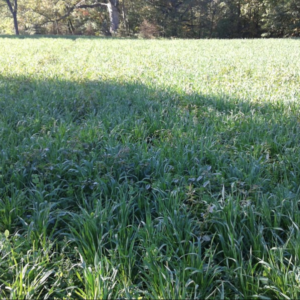
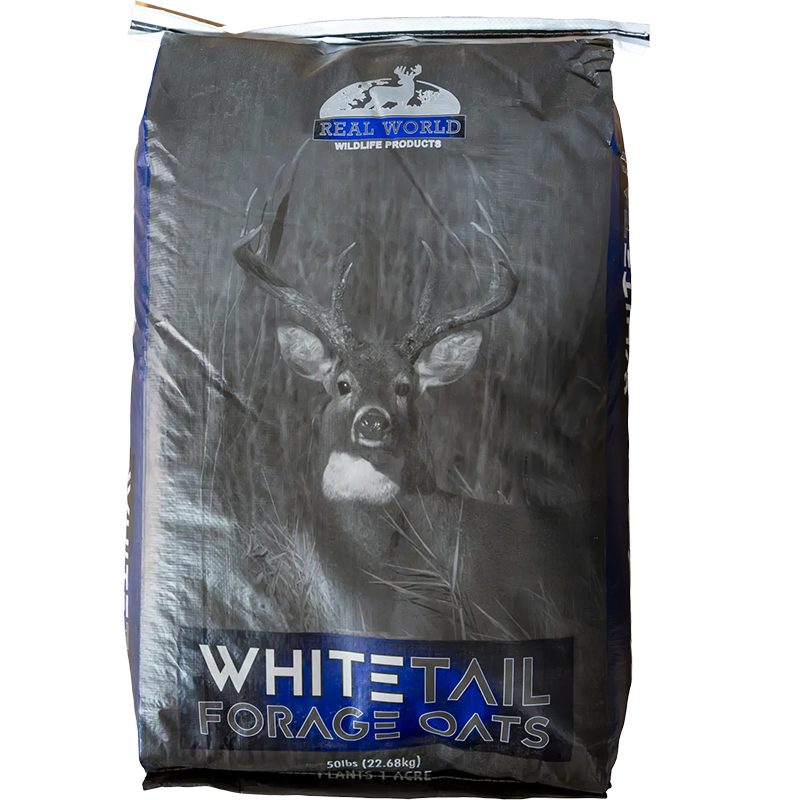
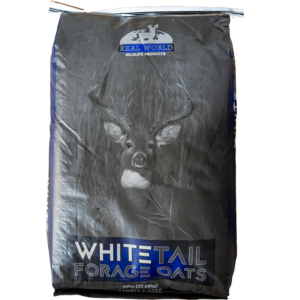
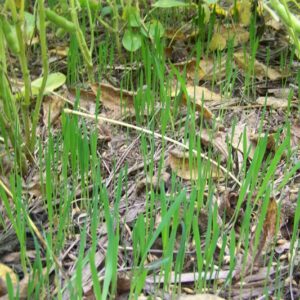
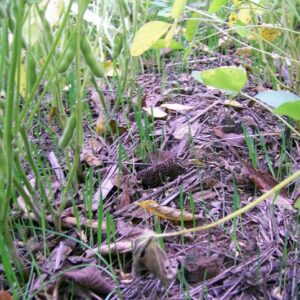
Some food plot seed companies claim that their oats are the best on the market and have been developed after years of continual research. Real World prefers to educate you with simple truths. We have planted our Whitetail Forage Oats right next to the other oats on the market and could not tell a bit of difference at any point in the testing, and neither could the deer feeding in those side-by-side plots. We are pretty confident that most of the oats sold to whitetail food plotters are the same. The difference is in price. When comparing oats, be sure to note the quantity in each bag. Keep in mind that these winter-hardy oats are not the same as typical “spring oats” commonly sold in local feed and seed stores.
Real Worlds Whitetail Forage Oats come in 50# bags, enough to plant one acre when top-dressed with another product such as Plot Topper. If planting a pure stand of Whitetail Forage Oats, use at least 50# per acre.
Planting Instructions
Whitetail Forage Oats – planting instructions
Planting Date – Real Worlds Whitetail Forage Oats are a fall-planted product. A good general rule to remember regarding planting dates is as follows: Along Interstate-70, plant Harvest salad September 1st. For every 100 miles north of I-70, move the planting date up by 1 week. For every 100 miles south of I-70 move the planting date later by 1 week. It is very important not to plant Real World Oats too early, or it will lose some of its palatability by the time hunting season opens, and you want the deer to be hitting it hardest.
Site Prep – Start by spraying your plot in the spring to kill any vegetation. When it is time to plant, prepare a good seedbed by disking or tilling the ground so that it is primarily free of bigger dirt-clods. The soil does not need to be worked into a power-fine consistency, but just free of large clods.
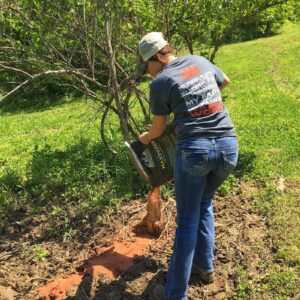
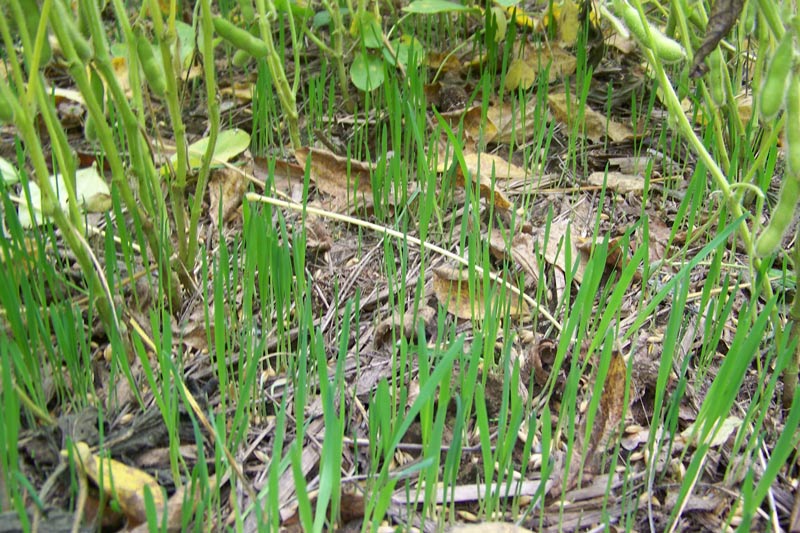
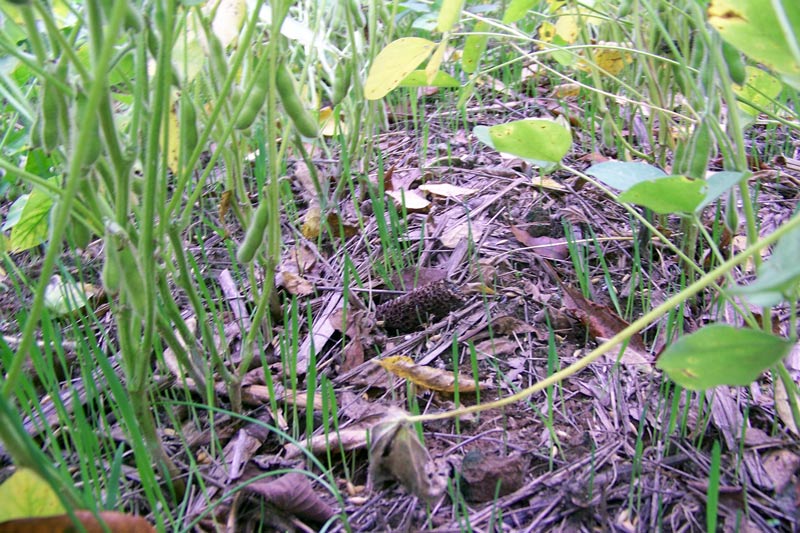
Planting – Oats are a very easy crop to grow and generally do very well when broadcast. After broadcasting the seed onto the worked ground, cover it by dragging the plot or using a culti-packer to push the seed into the ground. The goal is to get the seed covered with ½ -1 inch of soil. Make sure the seed is not more than 1 inch deep. If some of the seed is exposed on the surface, it will still grow as long as it receives adequate moisture.
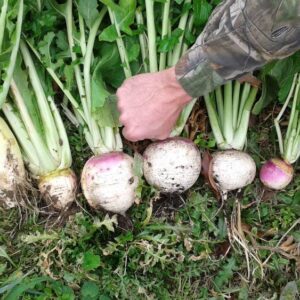
Note – To add more drawing power to your oat plots, over-seed them with Plot Topper. Simply broadcast the Plot Topper seed over your oat plot once it has been planted.