The Managed Forest Law (MFL) plan writing

The Managed Forest Law (MFL) is a voluntary forest land tax incentive program that encourages private woodland owners in Wisconsin to practice sustainable forestry and wildlife habitat management. In exchange for following an approved forest management plan, land enrolled in MFL receives substantial property tax reductions compared to regular tax rates.

To qualify, you generally must own at least 20 contiguous acres of productive forest, and a certified plan writer prepares a management plan that reflects your goals — whether that’s timber production, wildlife habitat, recreation, or a mix of both. At Ideal Land Management, we have foresters on staff who hold the credentials to enroll your property into the MFL program.

Well-managed forests provide essential cover, forage, and travel corridors for white-tailed deer and other wildlife. Strategic thinning, regeneration, and stand improvement help create the diverse age structure that deer and other wildlife thrive in!

Healthy habitat from good forest management often supports better deer nutrition, better survival of fawns, and improved age structure — giving landowners more control over herd dynamics when paired with good harvest decisions.
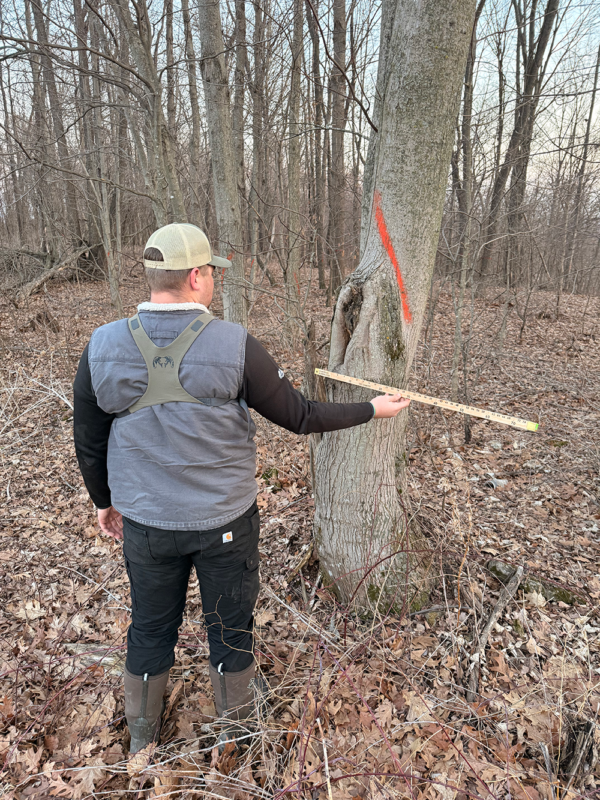

Man in a vest and cap uses a Tape measure to measure a tree marked with orange spray paint in a leaf-littered forest edge.
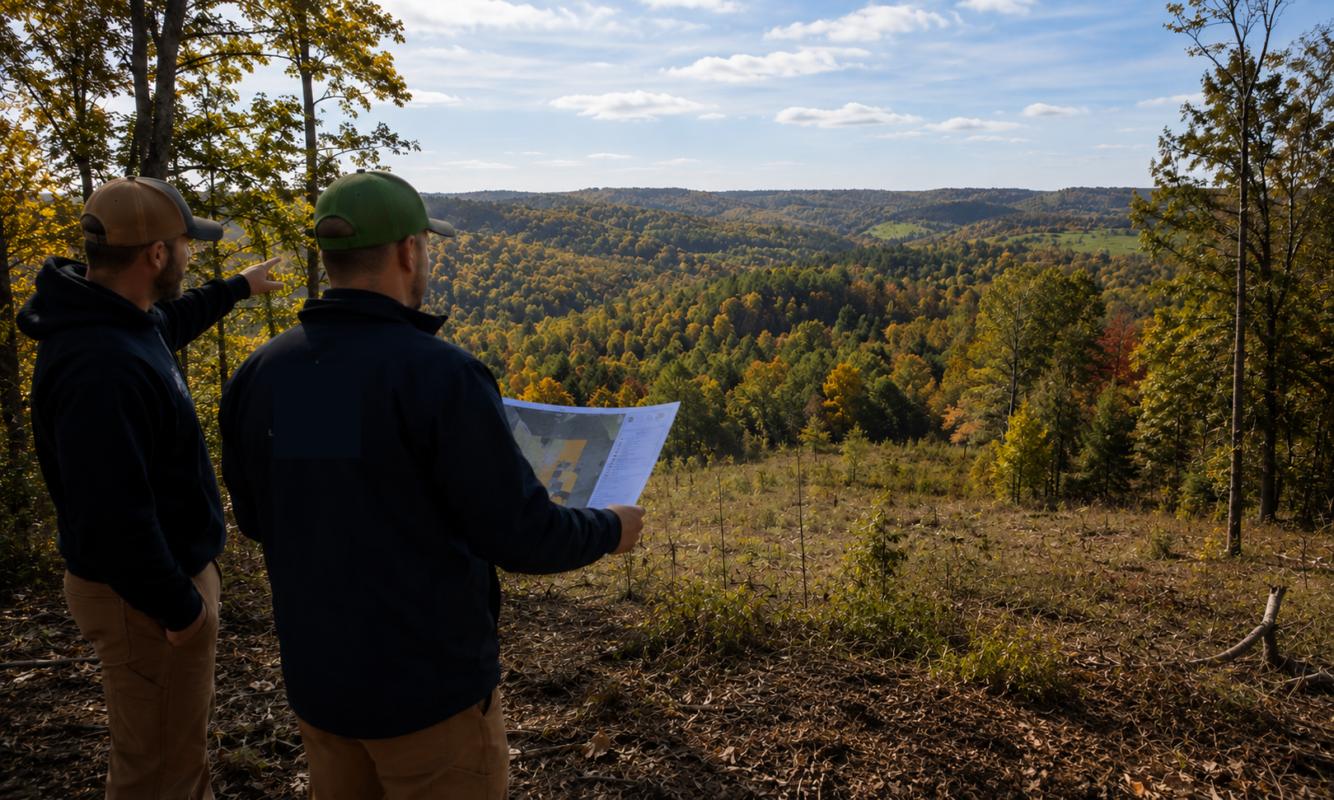
Two men in a forest clearing, one pointing toward the tall trees as they discuss the area.

NRCS Technical Service Provider

The Natural Resources Conservation Service (NRCS) is a federal agency under the U.S. Department of Agriculture that helps private landowners implement conservation practices on their land. One key piece of this is the Technical Service Provider (TSP) program, which certifies qualified private professionals to develop conservation planning documents — including forest management plans — under NRCS programs like the Environmental Quality Incentives Program (EQIP).

One of the biggest advantages of working under the NRCS/TSP system is the potential for financial assistance toward implementing conservation practices. Cost-share can significantly lower your out-of-pocket cost for things like:

  • Timber stand improvement
  • Invasive species control
  • Establishing wildlife habitat
  • Tree planting
  • Forest health treatments

Without a plan, many of these practices wouldn’t qualify for funding. With an NRCS-approved plan, they can. At Ideal Land Management, we have foresters on staff who hold the credentials to help you write your Forest Management Plan for NRCS programs.